
Proud to be Sri Lanka’s most trusted hospital for compassionate and quality healthcare
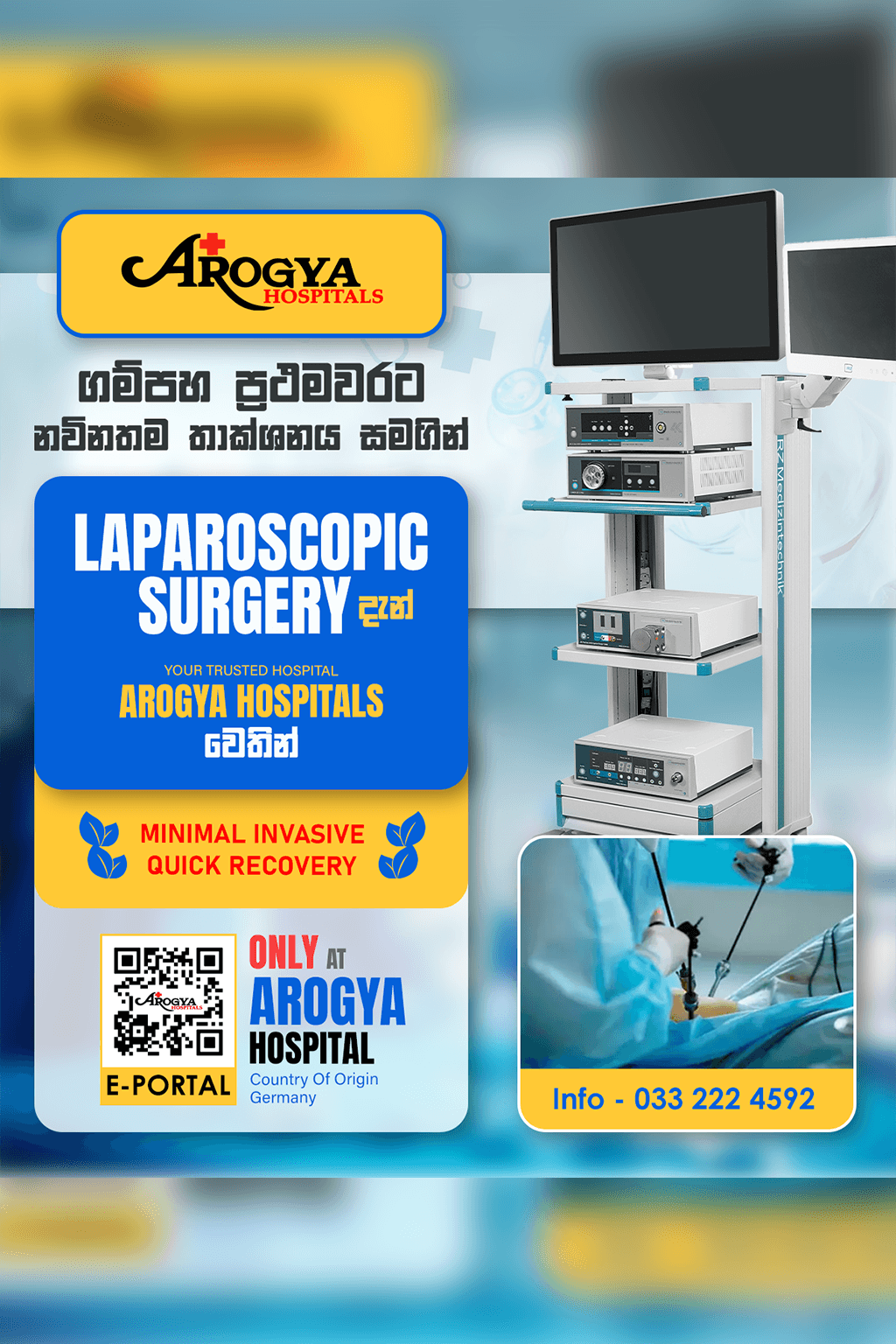
Laparoscopic surgery, also known as minimally invasive surgery (MIS) or keyhole surgery, is a modern surgical technique where operations are performed through small incisions using a laparoscope - a thin fiber-optic camera instrument that projects magnified images onto high-definition monitors. Our laparoscopic suite is equipped with 4K ultra-HD visualization systems and advanced energy devices including harmonic scalpels and bipolar cautery for precise bloodless surgery. We perform laparoscopic procedures across multiple specialties including General Surgery such as gallbladder removal, appendix removal, hernia repair, anti-reflux surgery for GERD, and colorectal resections; Gynecological Surgery including hysterectomy, ovarian cyst removal, myomectomy for fibroids, endometriosis excision, and tubal ligation; Urological Surgery such as kidney removal, prostate surgery, varicocele repair, and pyeloplasty; and Bariatric Surgery including sleeve gastrectomy and gastric bypass. The laparoscope transmits high-intensity light into the abdomen while the camera sends real-time images to monitors, allowing the surgical team to operate with exceptional precision. Carbon dioxide gas is used to inflate the abdomen creating working space between the abdominal wall and internal organs. Benefits over traditional open surgery include significantly less post-operative pain, reduced blood loss, shorter hospital stays, faster return to normal activities, minimal scarring, reduced risk of wound infections and hernias. We also offer single-incision laparoscopic surgery where all instruments pass through one small incision hidden in the navel for virtually scarless surgery.
What makes our laparoscopic service exceptional is our surgical team's extensive expertise in minimally invasive techniques. We achieve very low conversion rates, meaning the vast majority of our patients successfully receive the benefits of keyhole surgery without needing a large incision. Our lead laparoscopic surgeons are fellowship-trained in advanced minimally invasive techniques. We maintain excellent safety outcomes including minimal bile duct injury rates in gallbladder surgeries through use of intraoperative cholangiography and critical view of safety protocols. For hernia repairs, our recurrence rates remain very low over time. Post-operatively, our enhanced recovery after surgery protocol gets patients eating and moving soon after procedures. We also provide pre-operative simulation and counseling so you understand exactly how your surgery will be performed before entering the operating room. Our nursing team is specially trained in laparoscopic post-operative care, including management of the mild shoulder tip pain that sometimes occurs from residual carbon dioxide gas.
Before your laparoscopic surgery, you will need to stop eating and drinking several hours prior as instructed by your surgical team. Blood thinners may need to be paused before surgery - always consult with your prescribing physician. Arrange for a family member or friend to drive you home as you cannot drive for 24 hours after anesthesia. Wear loose, comfortable clothing that won't press on your incisions. After surgery, you will wake up with small bandages over tiny incisions. You may experience mild shoulder tip pain from the carbon dioxide gas irritating the diaphragm - this resolves within a day or two; walking and applying heat packs help. Most patients go home the same day or next morning. You can shower after 24 hours but pat incisions dry - avoid soaking baths or swimming for one week. Return to desk work within a few days, light lifting after one week, and full activities including heavier lifting after a few weeks depending on the procedure. Contact us immediately if you experience fever, uncontrollable nausea or vomiting, inability to urinate, severe abdominal pain not relieved by prescribed medication, redness or swelling or drainage from incisions, or shortness of breath.