

Proud to be Sri Lanka’s most trusted hospital for compassionate and quality healthcare
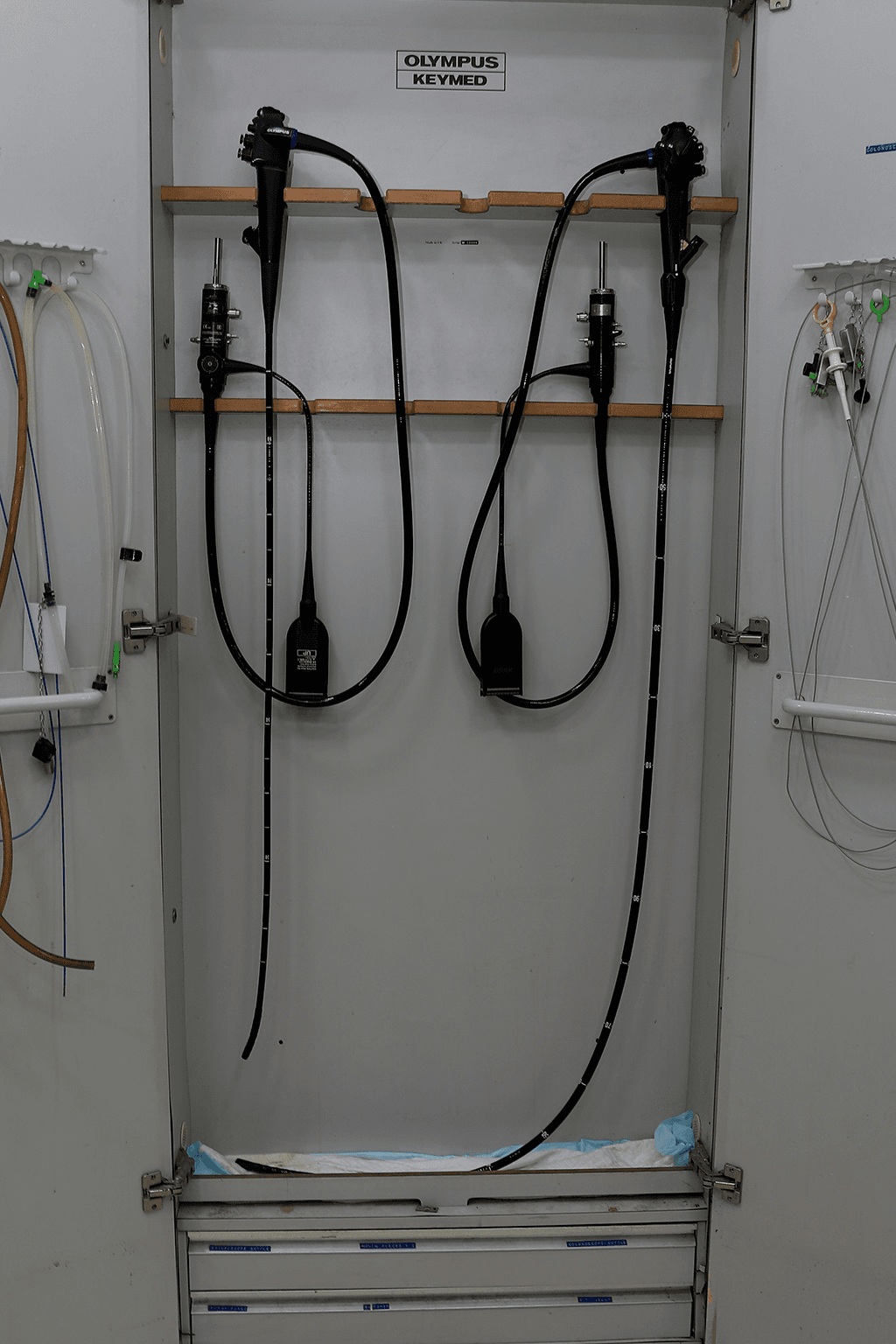
Colonoscopy is a lifesaving endoscopic procedure that allows direct visualization of the entire large intestine from the rectum to where the small intestine joins. Using a flexible, fiber-optic colonoscope equipped with a high-definition camera, light source, and instrument channels, our gastroenterologists can examine the colonic lining in exceptional detail, detect polyps which are precancerous growths, identify sources of bleeding, diagnose inflammatory bowel disease including Crohn's disease and ulcerative colitis, evaluate chronic diarrhea or constipation, and perform biopsies or polypectomy during the same procedure. Our endoscopy suite features advanced imaging systems with narrow-band imaging and linked color imaging technology that enhances mucosal contrast, making even flat or depressed polyps clearly visible. We also offer virtual chromoendoscopy and artificial intelligence-assisted polyp detection which highlights suspicious areas in real-time. The procedure is performed under conscious sedation or deep sedation, ensuring you feel no discomfort and remember little to nothing of the experience. Carbon dioxide is used instead of air to distend the colon, which is absorbed much faster, dramatically reducing post-procedure bloating and cramping. Our colonoscopes undergo high-level disinfection in automated endoscope reprocessors after every use, eliminating any risk of cross-contamination. Screening colonoscopy is recommended beginning at a certain age for average-risk individuals, and earlier if you have a family history of colorectal cancer or polyps. For patients with tortuous colons or adhesions, we offer deep sedation with anesthesiologist support and water immersion techniques that reduce looping and discomfort.
What makes our colonoscopy service exceptional is our focus on quality metrics that matter - particularly our ability to detect pre-cancerous polyps. Higher detection rates directly translate to lower interval cancer rates. Our gastroenterologists take adequate withdrawal time, carefully examining the colon during scope removal. We achieve high cecal intubation rates, meaning we complete the full examination in almost every patient. Our polyp retrieval rate is excellent using advanced techniques like endoscopic mucosal resection for larger polyps, often avoiding the need for surgery. For patients on blood thinners, we follow standardized peri-procedural management protocols developed with your cardiologist. We offer lower-volume bowel preparation formulations that are easier to tolerate than traditional high-volume preparations. All our endoscopists are board-certified gastroenterologists with additional fellowship training in advanced endoscopy. We provide clear, detailed reports with images of any findings, and you receive your results before leaving the facility.
Preparation is essential for a successful colonoscopy. Several days before, stop iron supplements, fiber supplements, and anti-diarrheal medications. Inform us about any blood thinners you take so we can provide specific instructions. Two days before, eat a low-fiber diet including white rice, white bread, eggs, yogurt, clear soups, and refined pasta. Avoid high-fiber foods like whole grains, nuts, seeds, raw vegetables, and fruits with skins or pulp. One day before, consume only clear liquids such as water, black tea or coffee without milk, clear apple juice, clear broth, and Jell-O without fruit or red or purple coloring. No solid food. In the afternoon, start your prescribed bowel preparation solution. You will drink a specified amount over a few hours. You will have frequent watery bowel movements - this is expected and means the preparation is working. The goal is clear or light yellow liquid with no solid particles. Continue drinking clear liquids until a few hours before your procedure, then nothing by mouth. On the day of procedure, arrive early. Wear loose comfortable clothing. Bring your insurance card, identification, and a list of medications. You must have a driver - you cannot drive or make legal decisions for 24 hours after sedation. After the procedure, you will recover for a period. Do not drive, operate machinery, or make important decisions for the rest of the day. Expect mild bloating and gas - walking helps. You can eat normally immediately. Results are discussed the same day before you leave. If polyps were removed, biopsy results are available within one week.