

Proud to be Sri Lanka’s most trusted hospital for compassionate and quality healthcare
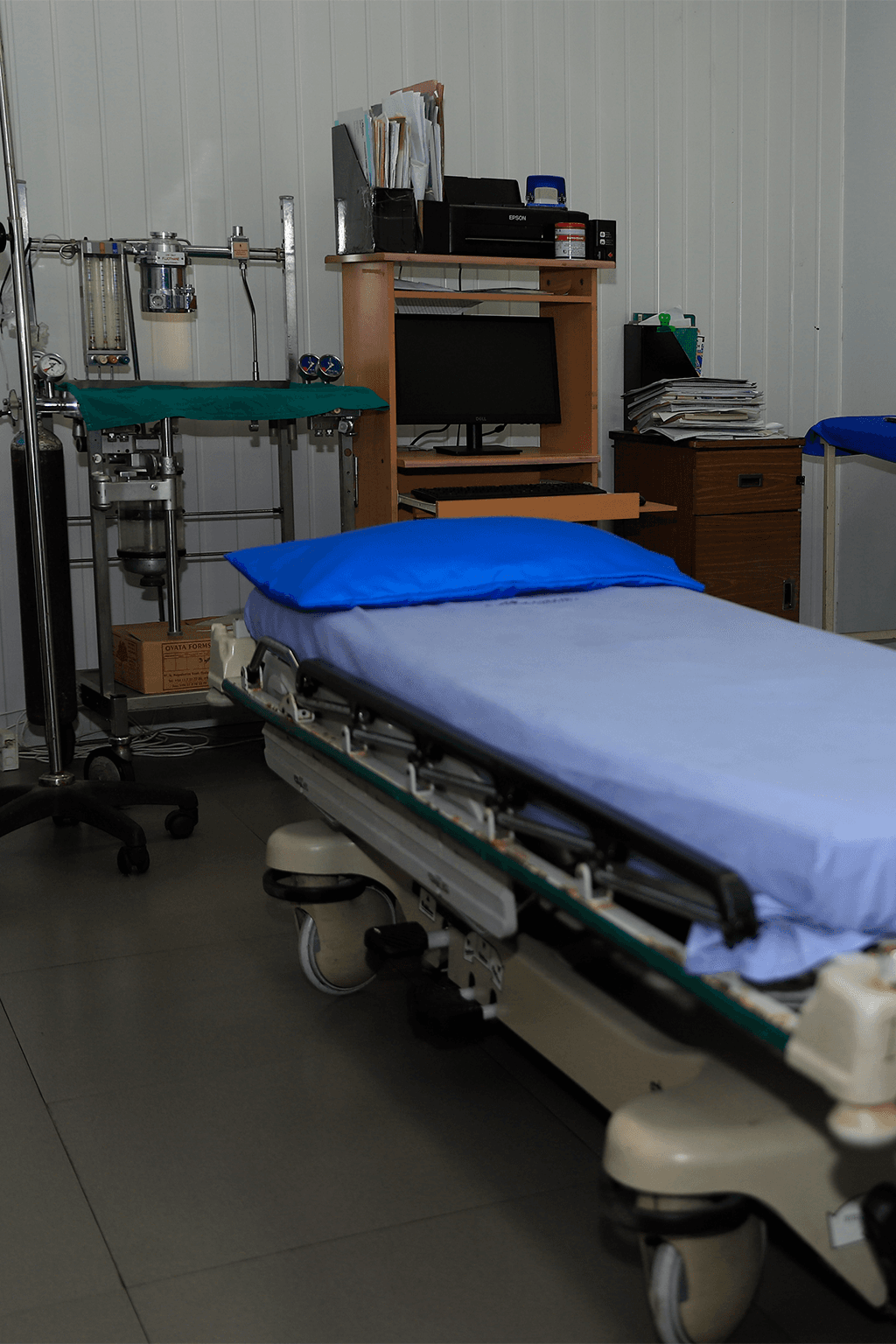
Our maternity unit offers comprehensive care for mothers and newborns throughout pregnancy, labour, delivery, and the postpartum period. Our labour suite features spacious, hotel-like delivery rooms designed for both normal vaginal delivery and emergency Cesarean sections without moving the mother between rooms. Each labour room has a state-of-the-art electrical birthing bed with adjustable positions including squatting bar, stirrups, backrest, and lateral tilt; fetal monitoring with wireless telemetry allowing you to walk or shower during early labour; nitrous oxide for pain management; birthing stool; birthing ropes; peanut balls; and a warm water birthing tub for hydrotherapy. We offer multiple delivery options including Normal Vaginal Delivery which can be spontaneous and unmedicated with doula support if desired; Assisted Vaginal Delivery using vacuum or forceps if needed; Painless Delivery using continuous low-dose epidural analgesia providing complete pain relief while allowing you to push effectively; Water Birth where labour and delivery occur in warm water which can reduce pain and episiotomy rates; Cesarean Section for elective or emergency procedures using low-transverse uterine incision with excellent cosmetic closure - we offer family-centered C-section where the curtain is lowered for immediate skin-to-skin contact and the partner can cut the cord; and VBAC or Vaginal Birth After Cesarean for mothers with previous C-sections. Labour is managed by our team of obstetricians, anesthesia specialists, labour nurses, and certified doulas. We encourage mobility, position changes, and upright delivery positions. Nitrous oxide is available for all mothers - you self-administer during contractions; it works within seconds and leaves your system within minutes. Epidurals are placed by consultant anesthesiologists and we use patient-controlled epidural analgesia allowing you to manage your own pain relief. We achieve low episiotomy rates through perineal massage, warm compresses, and hands-on perineal protection techniques. Postpartum care includes immediate skin-to-skin contact during the golden hour, delayed cord clamping waiting until the cord stops pulsing which increases the baby's iron stores, and breastfeeding support within the first hour. All deliveries are attended by a neonatologist or trained pediatrician who examines the baby immediately and is present for any resuscitation needs.
What makes our delivery service exceptional is the combination of clinical safety and mother-centered care. We maintain excellent maternal and perinatal outcomes through evidence-based protocols. Our rates of emergency Cesarean sections, postpartum hemorrhage, and perineal tears are well within optimal ranges. For VBAC mothers, our uterine rupture rates are very low. For mothers attempting water birth, we follow strict eligibility criteria. We have high successful breastfeeding initiation rates with babies latching within the first hour, supported by our lactation consultants who make rounds multiple times daily. Our partner-inclusive policy allows your support person to remain with you throughout labour and delivery - there are no visiting hours in our labour suite. For Cesarean sections, partners are welcome in the operating room if psychologically prepared, and we routinely do immediate skin-to-skin contact in the recovery room. Postpartum, we maintain very low readmission rates for maternal complications - all mothers receive follow-up phone calls and clinic visits after discharge.
Knowing when to come to the hospital is important. For first-time mothers, come when contractions are regular, lasting about a minute, and have been occurring for a couple of hours. For experienced mothers, come when contractions are closer together as labour progresses faster. Also come immediately if your water breaks regardless of contractions - note the color, time, and any odor; if you have vaginal bleeding more than spotting; if you notice decreased fetal movement; if you have severe headache or visual changes which could indicate pre-eclampsia; if you have fever; or if you have any concern at all - we don't mind false alarms. What to pack includes for mother: nightgowns that open at the front for breastfeeding, nursing bras, comfortable underwear, maxi pads, toiletries including lip balm as labour causes dry lips, phone charger with long cable, glasses rather than contact lenses during labour, comfortable going-home outfit, and slippers with grip soles. For baby: onesies, swaddle blankets, a going-home outfit appropriate for the season, baby socks and mittens, and a properly installed car seat without which we cannot discharge. For partner: snacks, water bottle, camera, change of clothes, pillow, and list of phone numbers to text. What we provide includes hospital gowns, mesh underwear, maxi pads, peri bottle for cleaning after using the bathroom, sitz bath basin, nipple cream, breast pads, and for baby - diapers, wipes, receiving blankets, hat, nasal aspirator, and formula if the mother chooses supplementing. Labour support options include nitrous oxide, epidural, intravenous opioids, and non-pharmacological options including birthing ball, shower, bath, TENS unit, aromatherapy, and music. We do not routinely perform episiotomy or routine intravenous lines. We allow eating light meals during early labour. For Cesarean sections, partners are welcome in the operating room and we do immediate skin-to-skin contact.